Private Clay Workshops in Ann Arbor
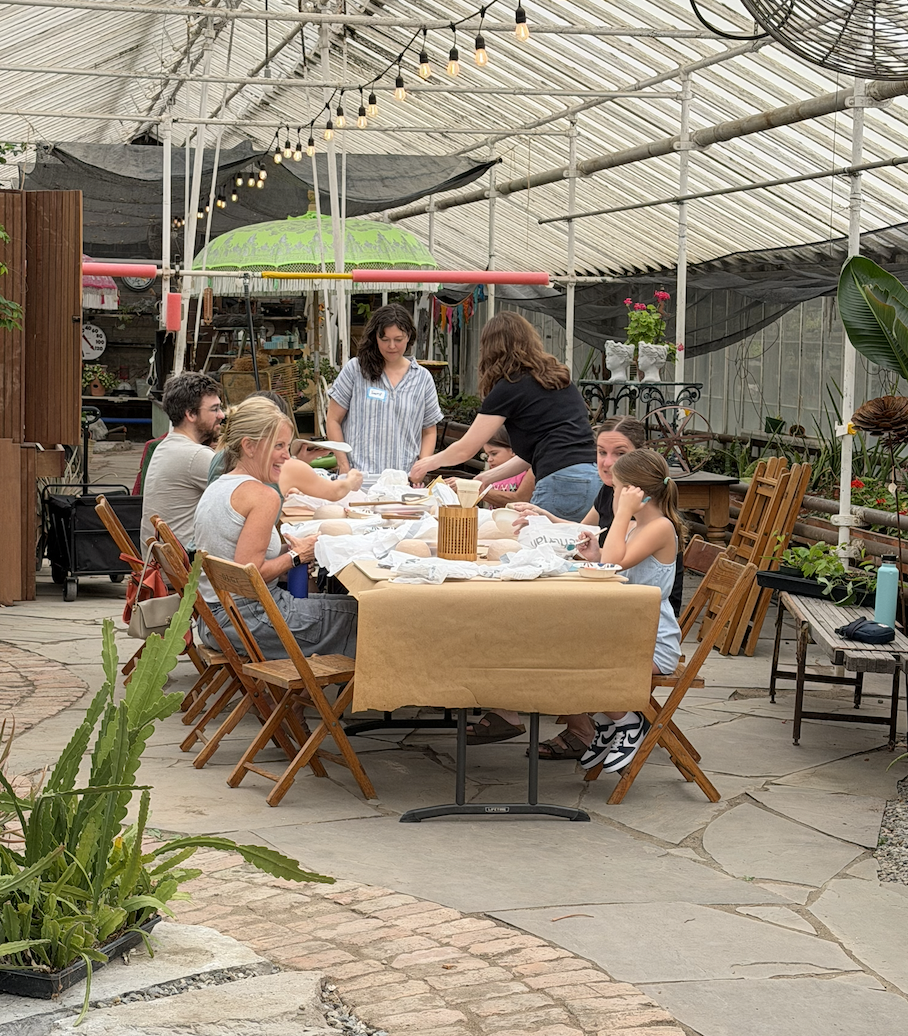
I lead hands-on clay workshops for private groups, garden centers, and community organizations. Choose from beginner-friendly botanical projects using air-dry clay or more involved, kiln-fired ceramics workshops.
I can bring a workshop to your space, or we can explore hosting at Graye’s Greenhouse in Plymouth.
Start Here. Are you looking for…
1. Take-Home Creative Workshops
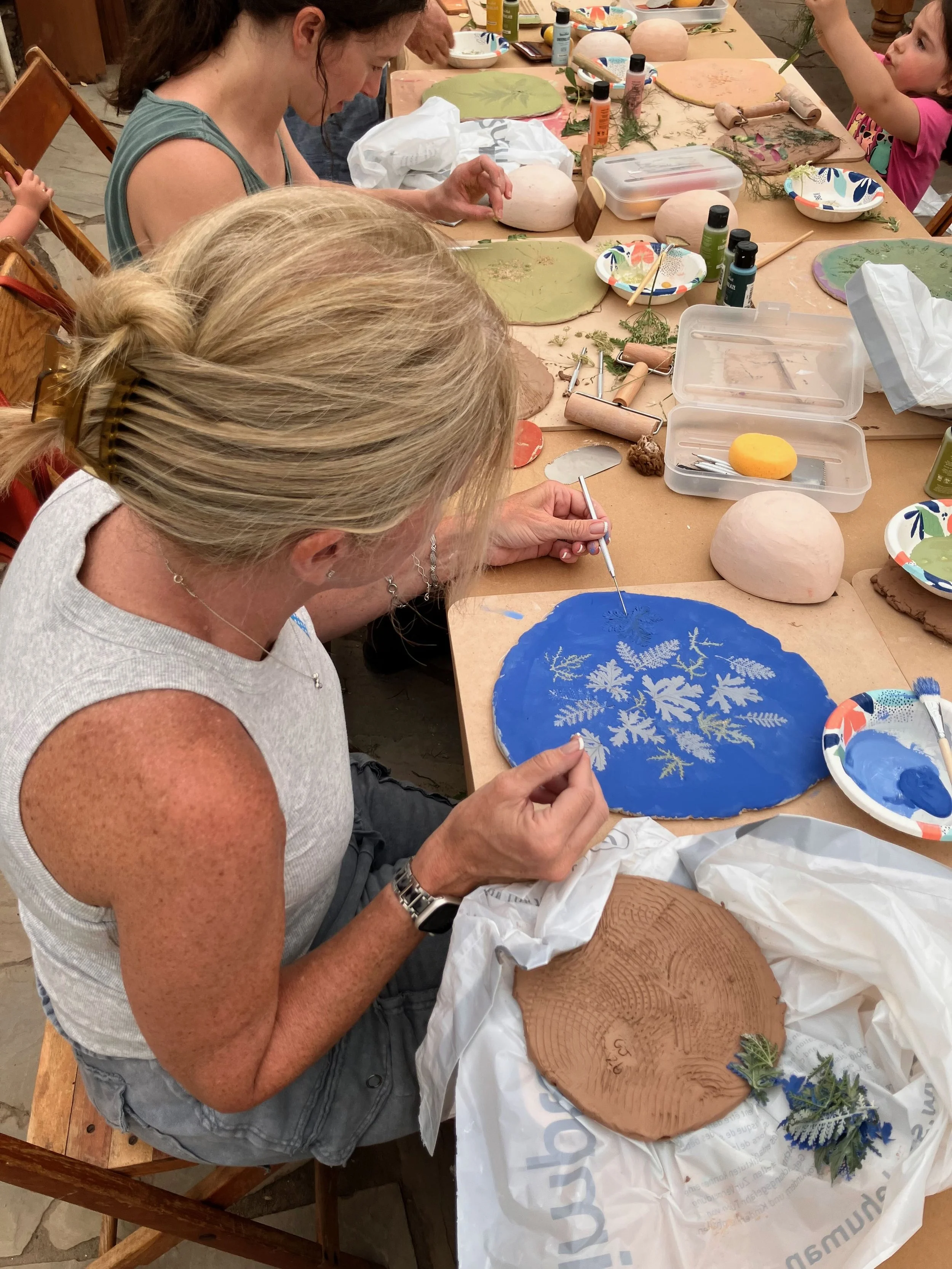
These workshops use air-dry clay and simple materials to create something personal. They're beginner-friendly, leave plenty of room for experimentation, and don't require a kiln. They generally run around 2 hours, and everyone takes their work home the same day.
2. Kiln-Fired Ceramics Workshops
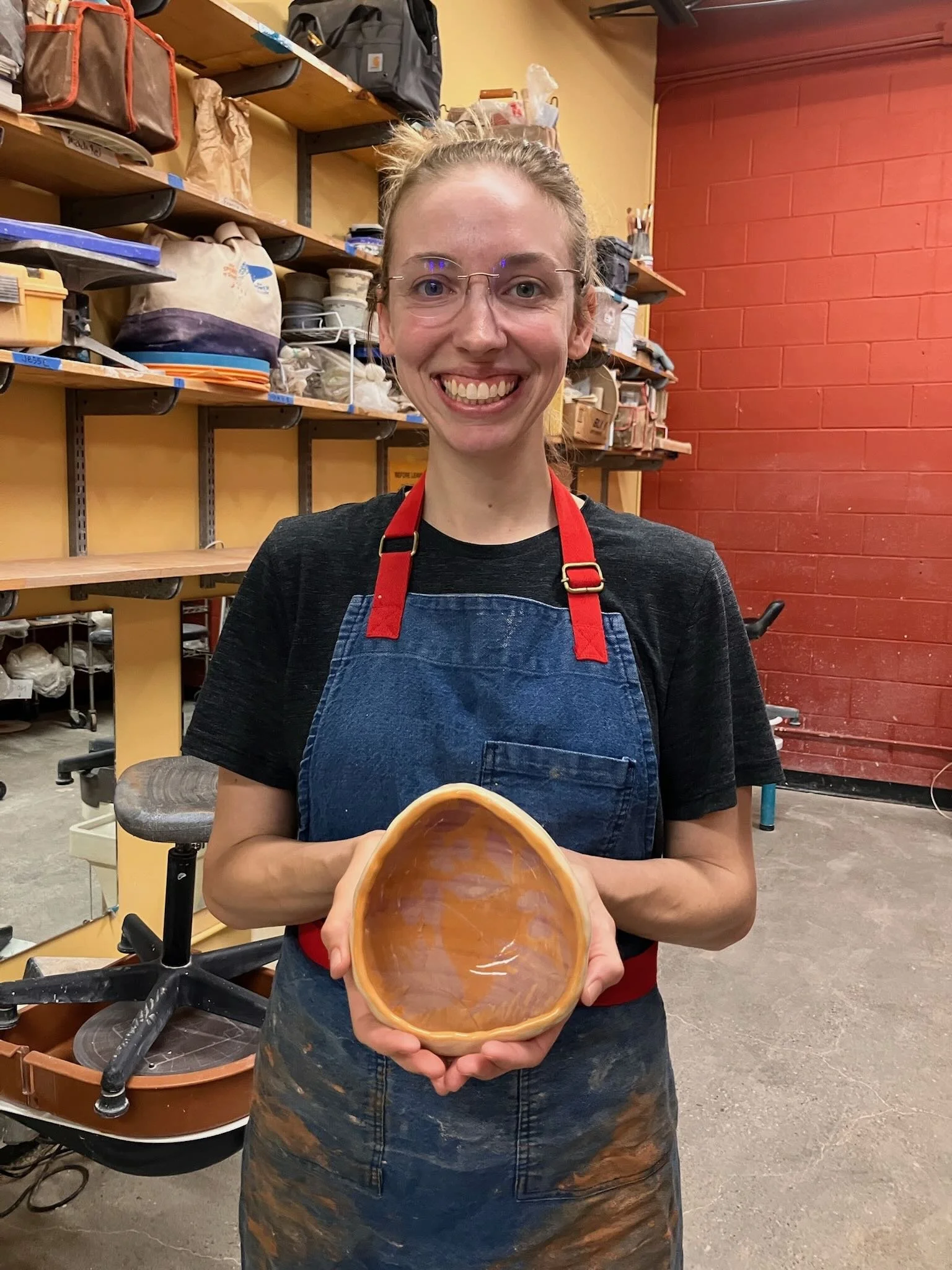
These workshops offer more time to explore the possibilities of clay, from constructing a form to developing its surface through color, texture, and pattern. Some are open to complete beginners; others are designed for people with a little clay experience.
I typically partner with studios that have kiln access, but can also help coordinate firing for local groups.
“Thank you, Tempest, for creating such an incredible, welcoming space and teaching the magical process of creativity!”
-Sandra Q.
Take-Home Creative Workshops
The Clay Almanac Series
A series of three nature-inspired workshops, each exploring a different way of translating the shapes, patterns, and textures of the natural world into clay. Participants leave with a piece that will fit into a circular frame and can easily be hung on a wall.
Choose one, choose several, or choose all.
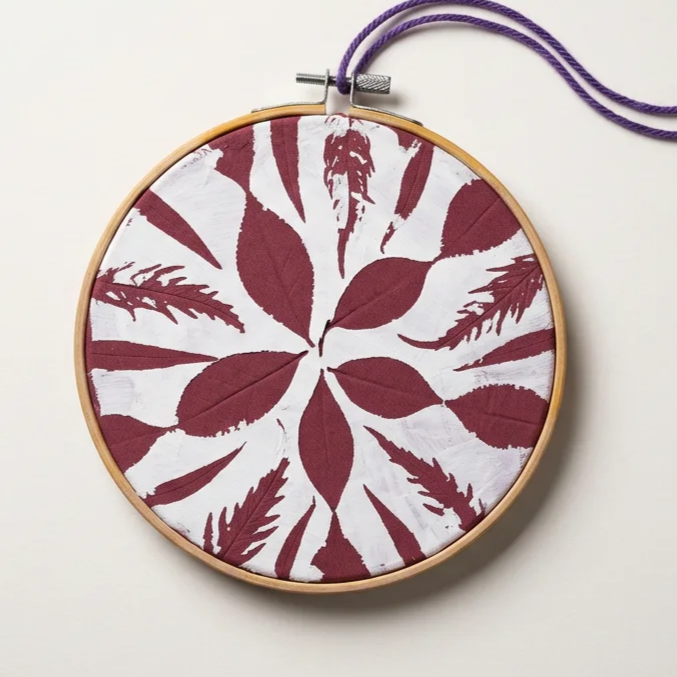
Botanical Silhouettes
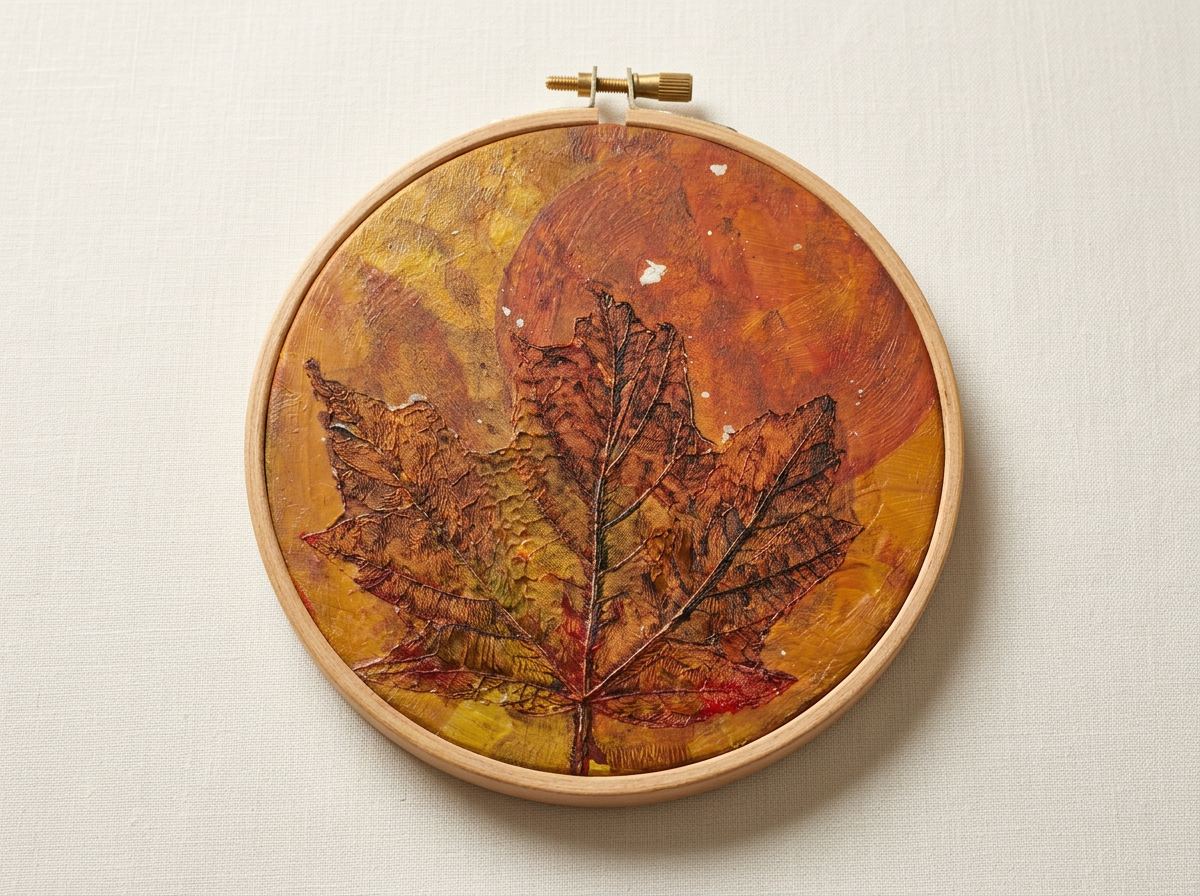
Botanical Prints
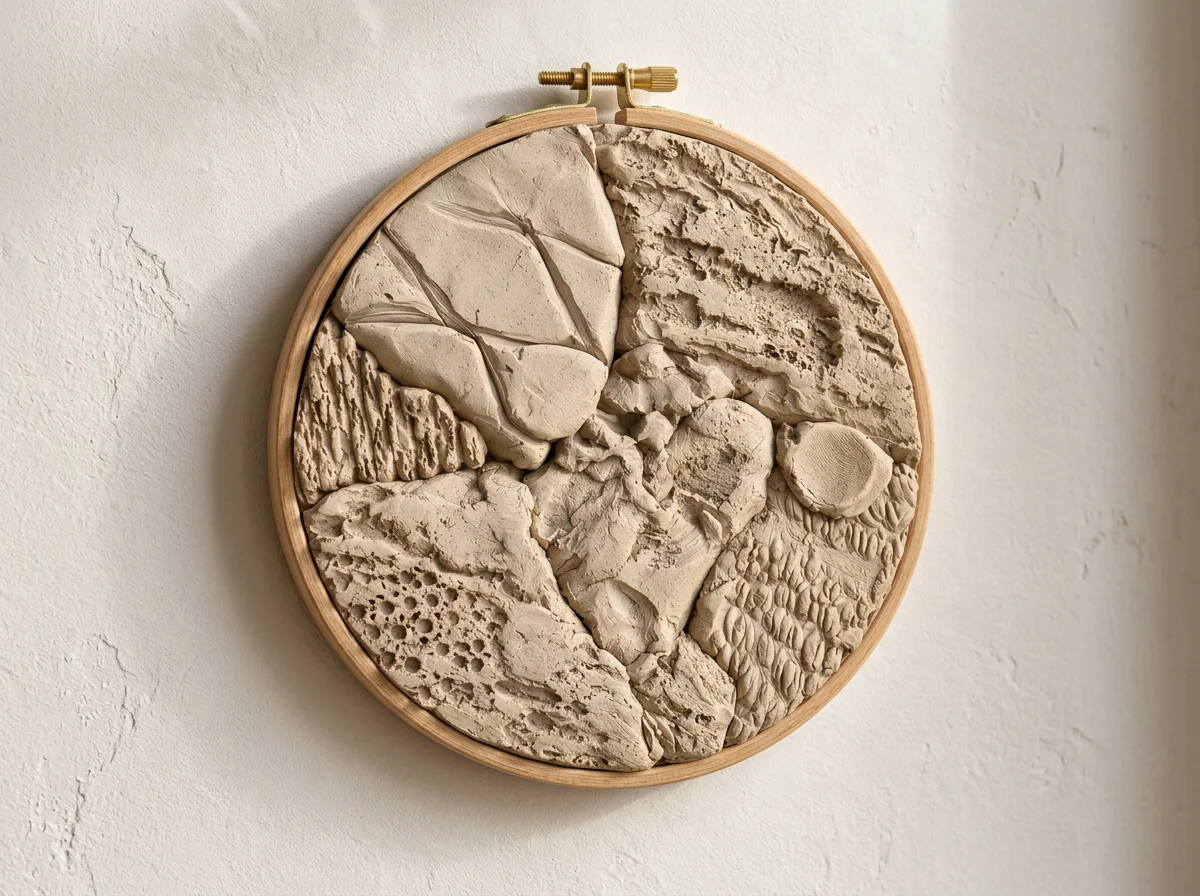
Collected Textures
Kiln-Fired Ceramics Workshops
Kiln-fired workshops are adapted to each group and their needs. Please reach out to tell me more about your group.
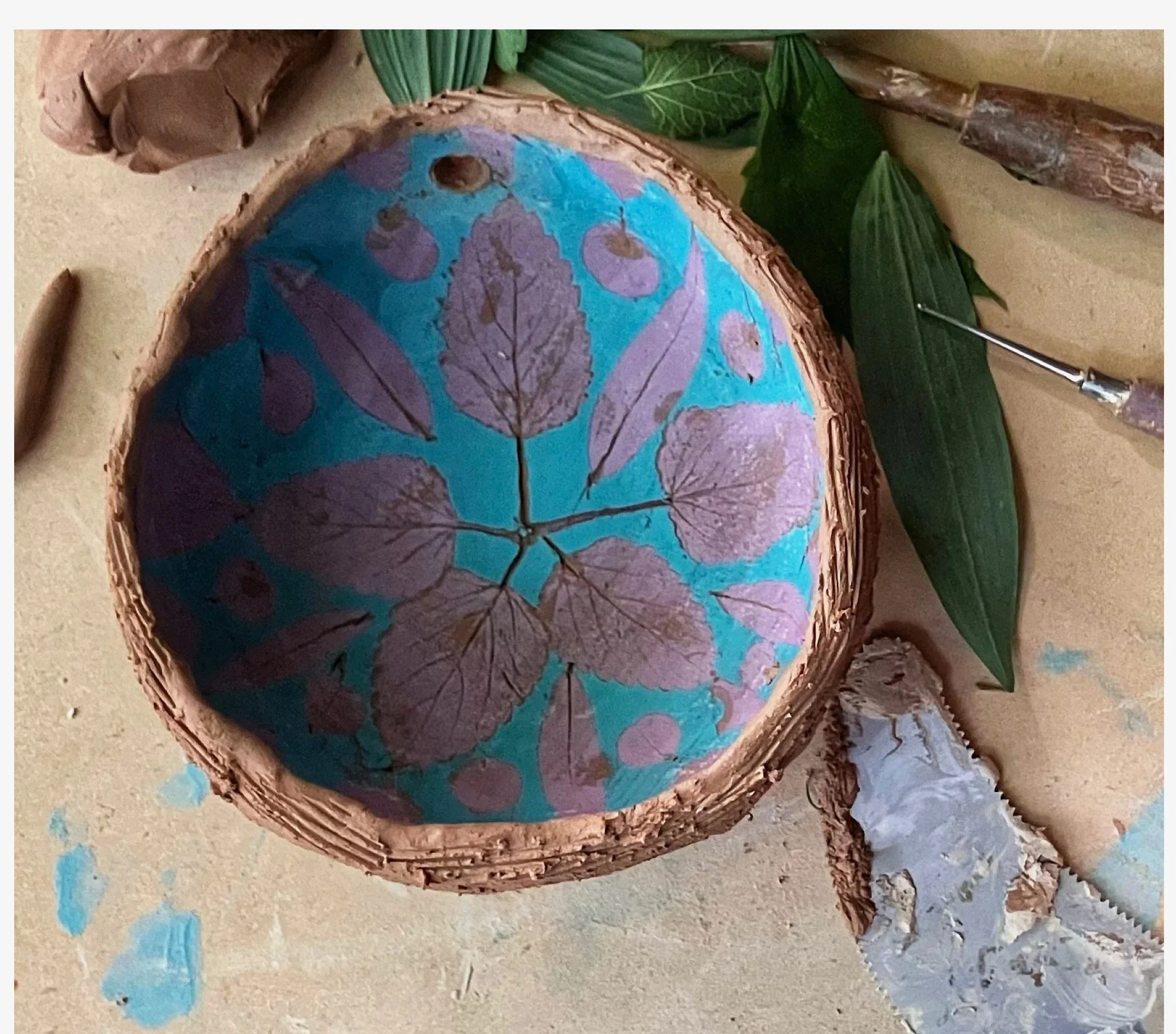
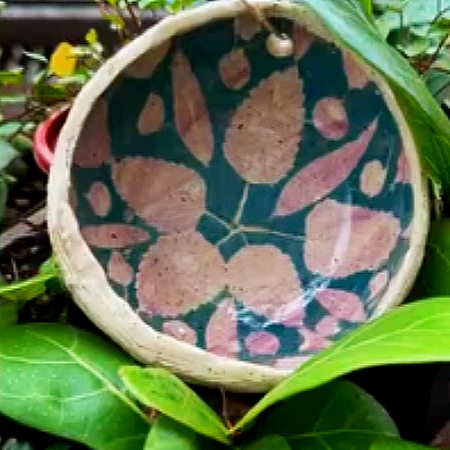
Botanical Wall Pocket Workshop
Create a ceramic wall pocket in the shape of a teardrop bowl. We’ll build the form, then explore its surface using impressions of real leaves and flowers.
I’ll guide the construction, then we’ll work with layering, color, and composition to make each piece your own.
All experience levels welcome
Approximately 3 hours
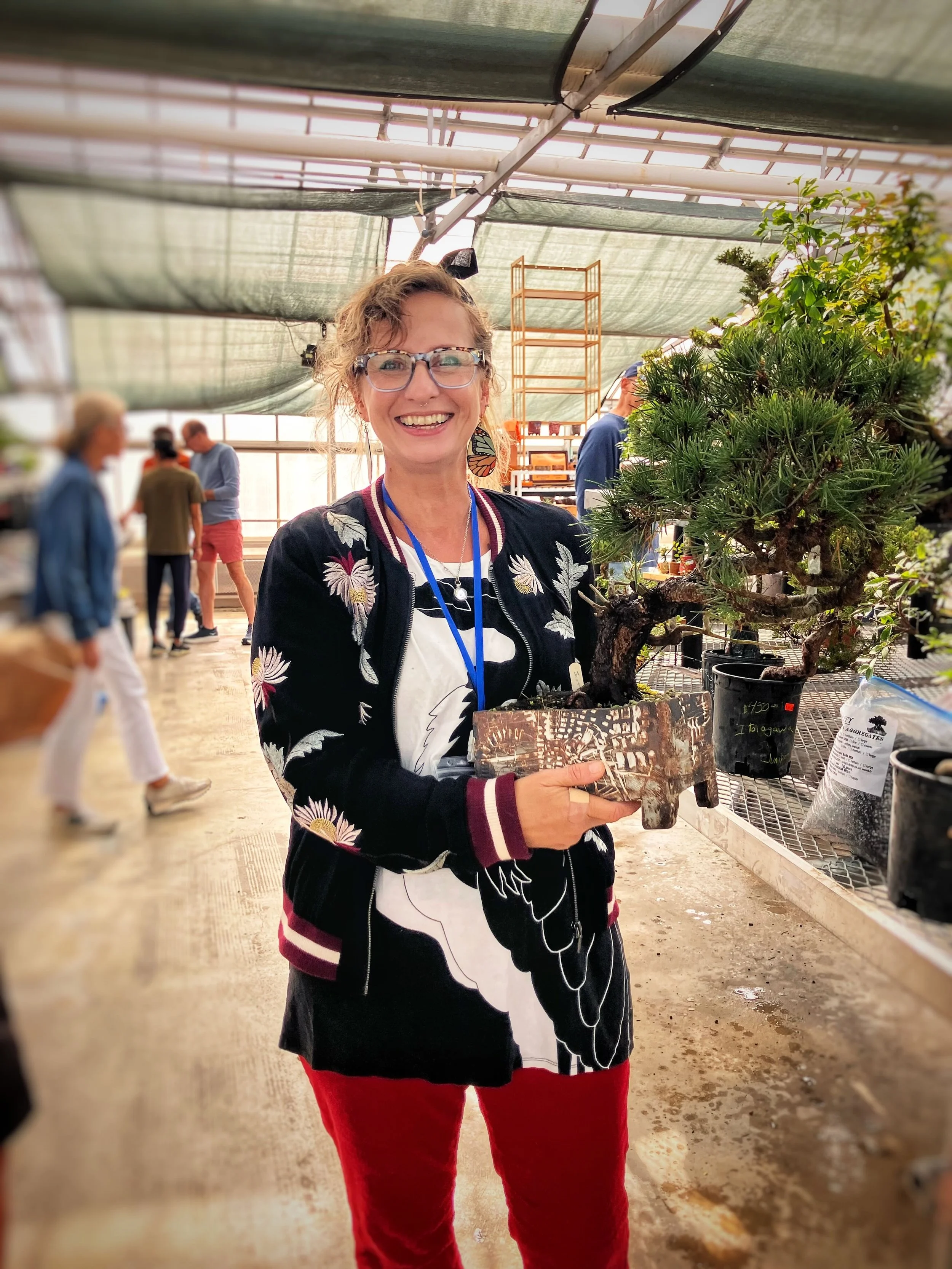
a pot/tree pairing by hannahakiomakesstuff
Sculptural Bonsai Vessel Workshop
A bonsai pot does more than hold a tree. Its shape, proportions, and surface become part of the planting.
We’ll look at traditional bonsai containers alongside contemporary, sculptural examples, then build our own small vessels using slump molds. On the first day, you’ll shape your pot. On the second, you’ll decorate it with slip, texture, and carved lines. We’ll discuss how those choices work with the tree you might plant in it.
Some clay experience is helpful. Beginners are welcome in smaller groups, where I can offer more individual support.
Two 3-hour workshop sessions
Beginners welcome in smaller groups. Larger groups should have some familiarity with clay.
Explore the Take-Home Workshops
See examples from other groups and learn more.
Inside The Clay Almanac
A seasonal wall hanging made with clay and natural materials
No clay experience needed
About two hours
Air-dry clay, with no kiln needed
Take your piece home the same day
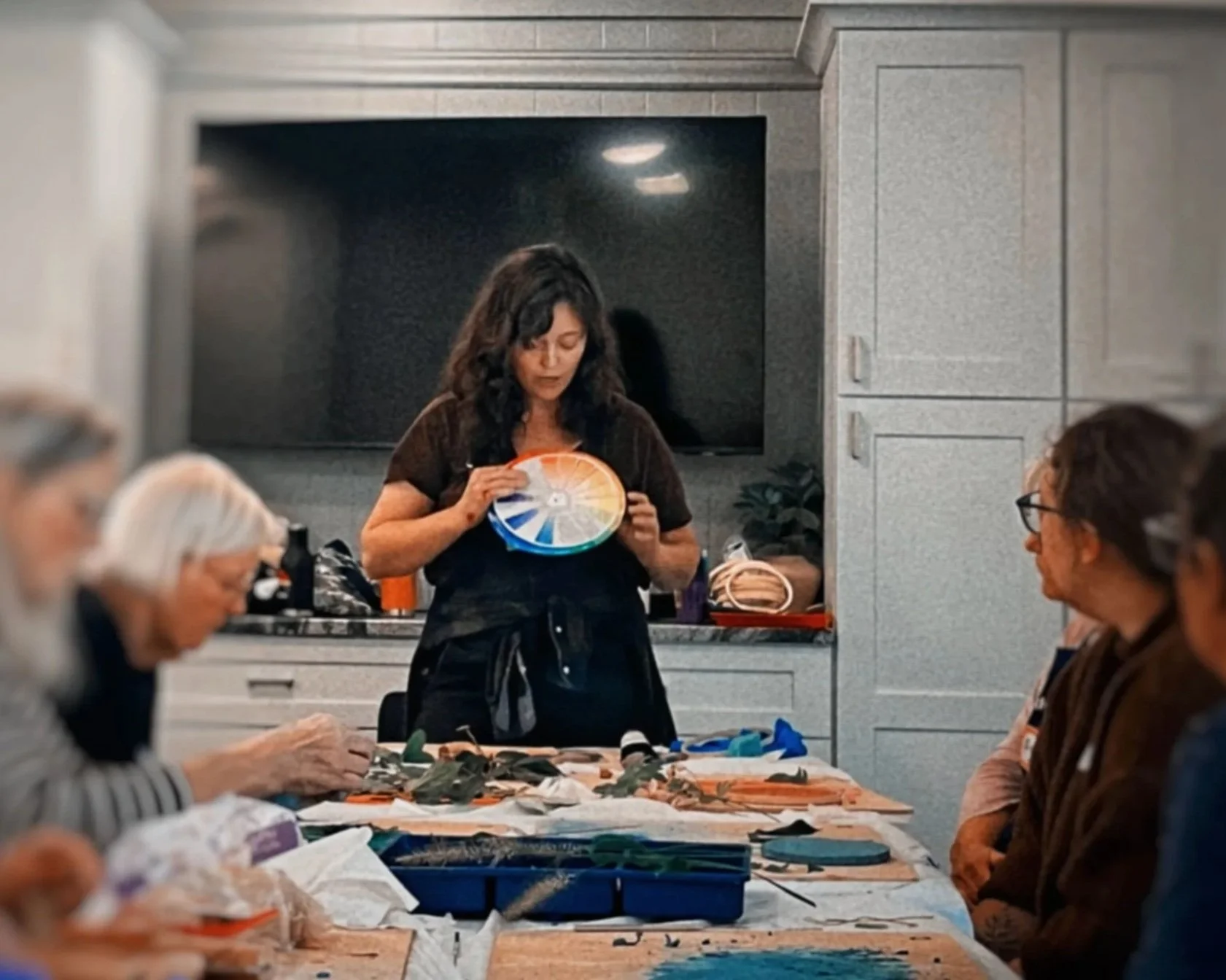
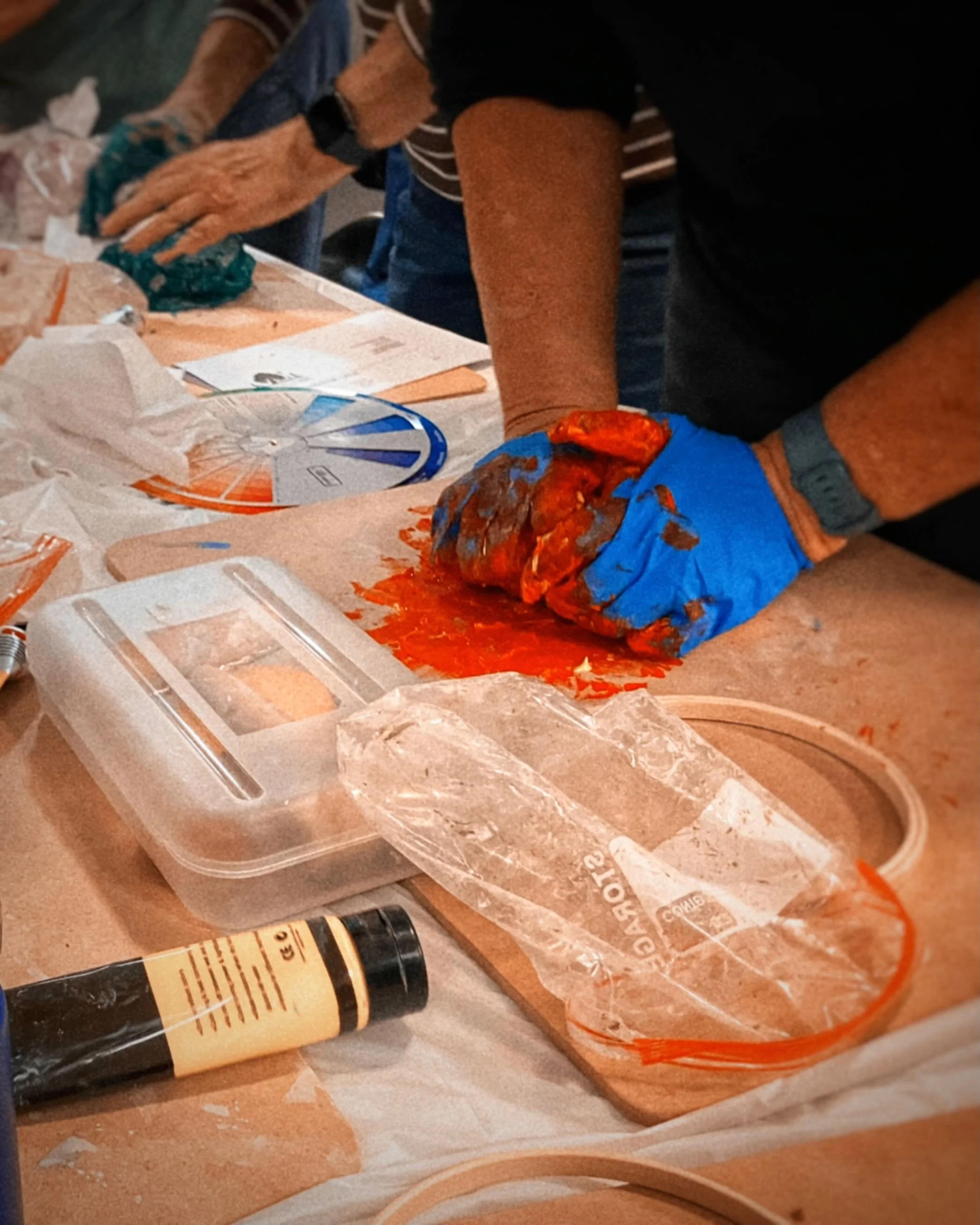
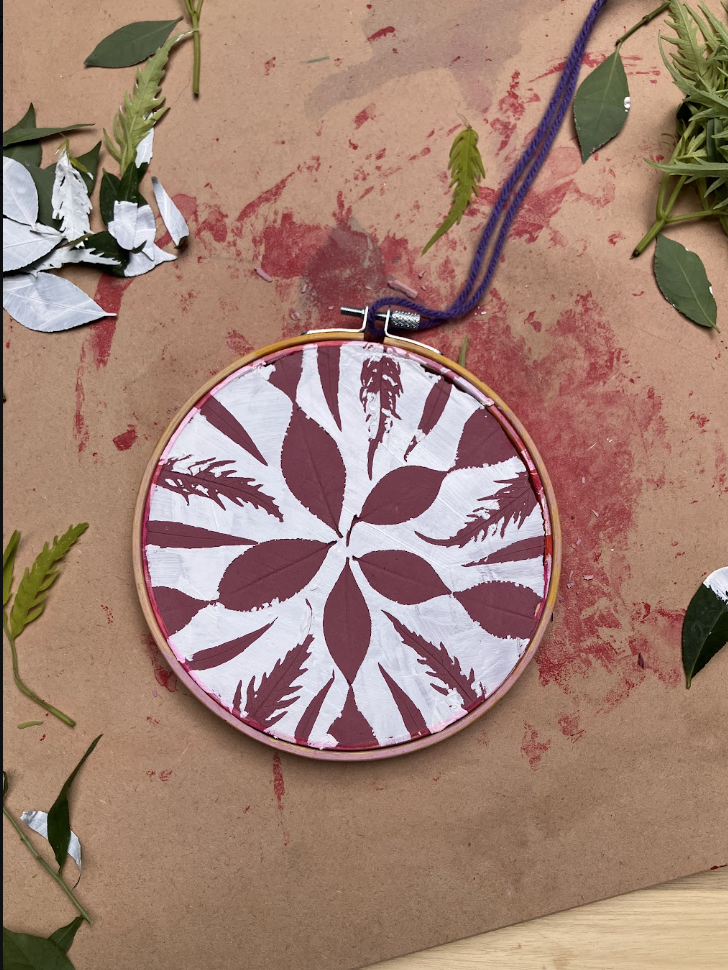
We’ll start by looking closely at the materials around us. When the setting allows, we’ll head outside to gather leaves, twigs, bark, flowers, and other natural objects. I’ll bring a collection, too, so we have plenty to work with.
Back at the table, I’ll demonstrate the day’s technique. You’ll choose your own arrangement, colors, and materials, whether we’re making botanical silhouettes, botanical prints, or collected textures.
You’ll take your wall hanging home that day to finish drying. I’ll explain any final steps before you leave.
Book one workshop or offer all three as a series. There’s no need to take them in order.
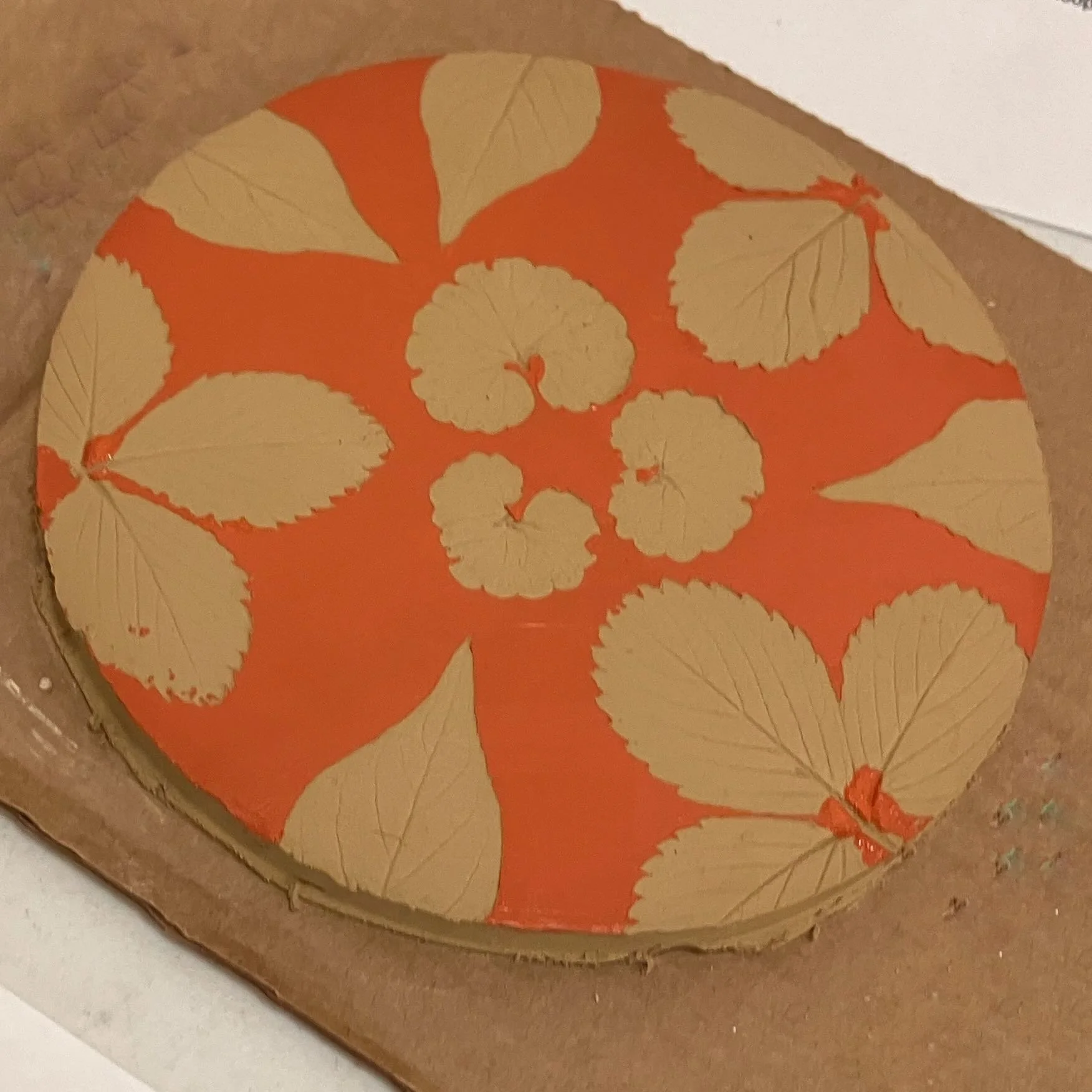
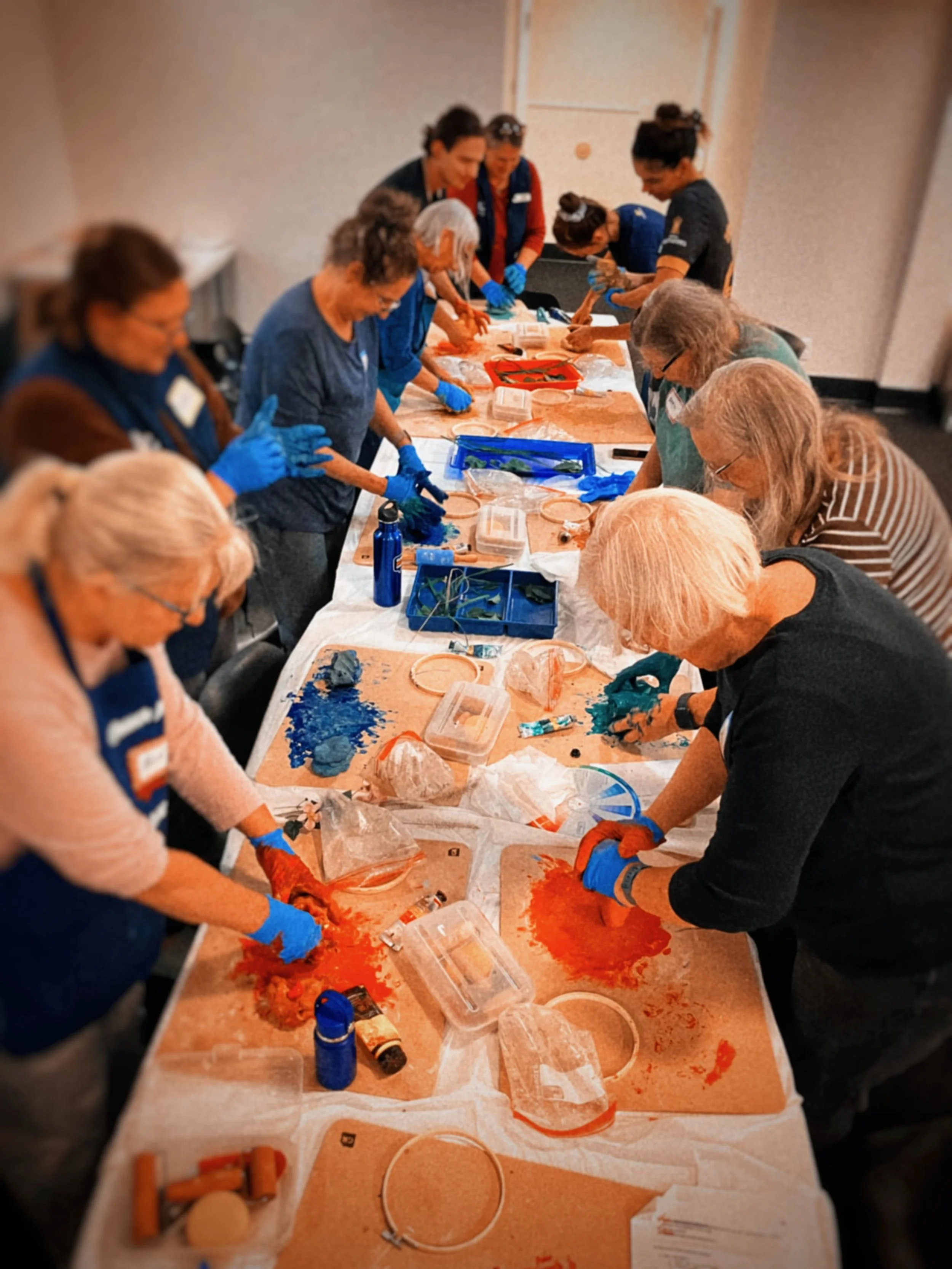
Photos from a ‘Clay Almanac’ session at Ann Arbor Parks and Rec
The workshops:
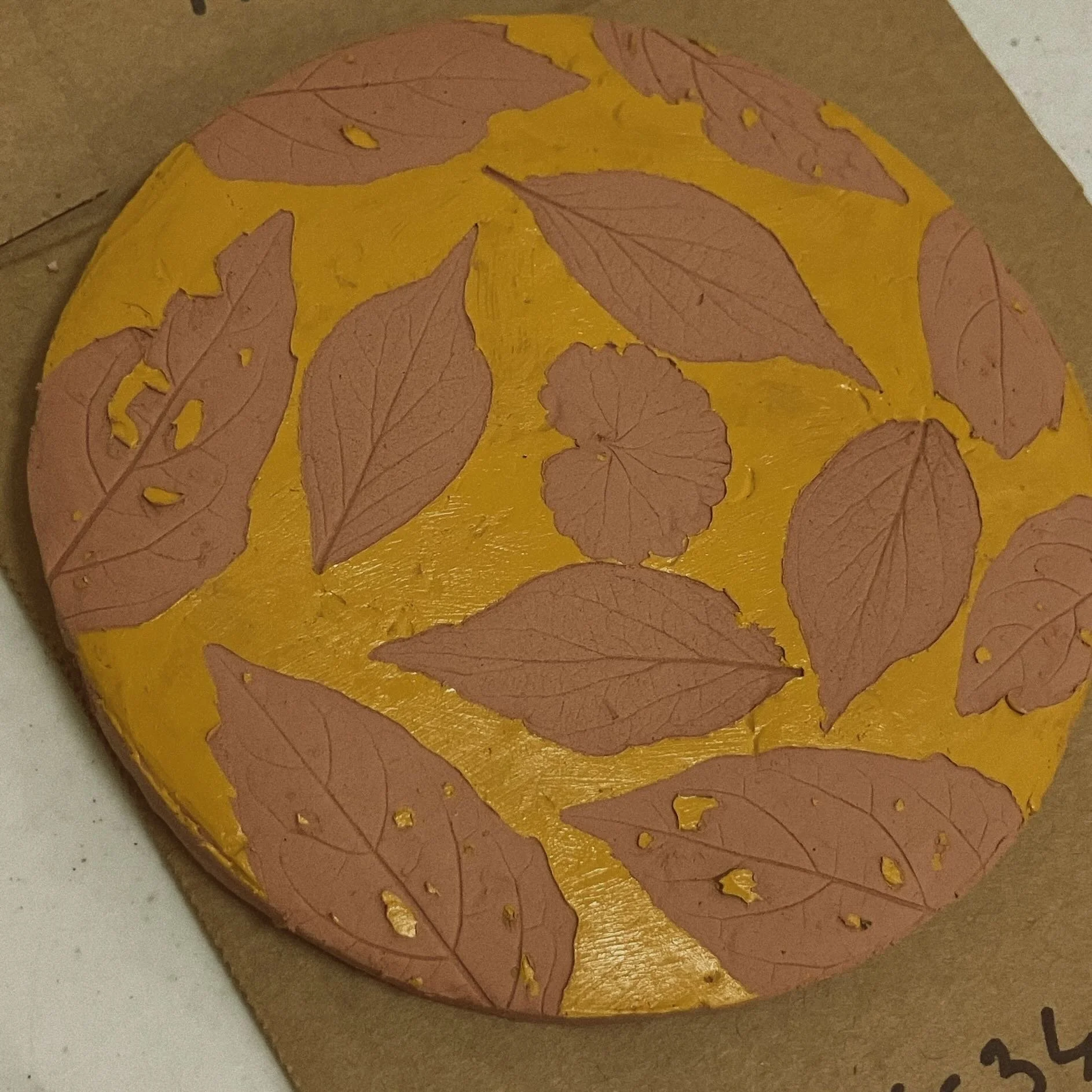
Student examples from Botanical Silhouettes
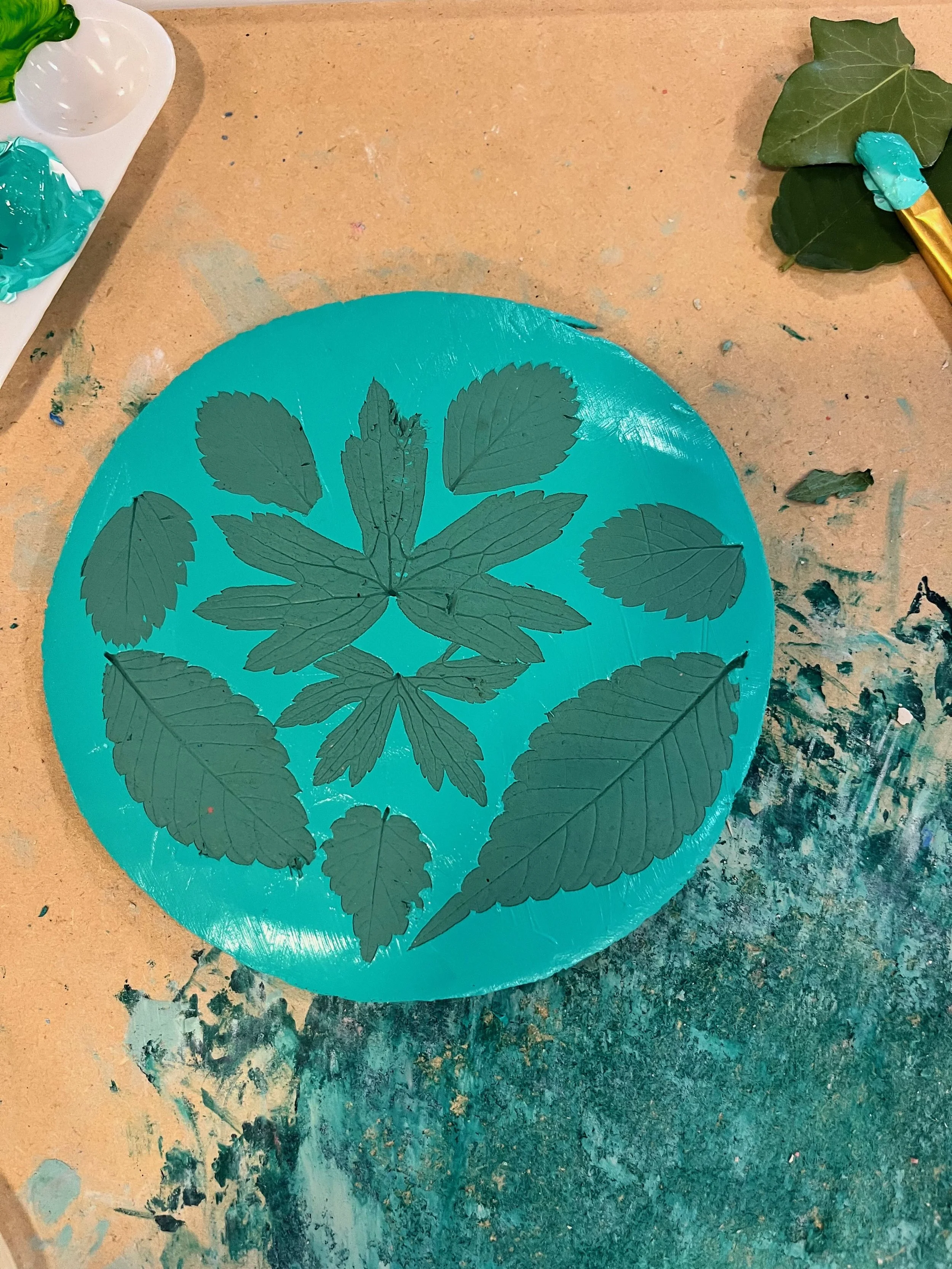
Botanical Silhouettes
Explore radial design using leaves and other gathered materials. Arrange them on colored clay, paint across the surface, then lift them away to reveal a bold, two-color botanical print. Best when there is fresh botanical matter available.
Botanical Prints
Explore color, composition, and the expressive shapes of botanical materials. Using leaves, flowers, and other natural forms, participants will experiment with color combinations and printmaking techniques, applying paint directly to botanicals and transferring their shapes onto clay. Through overlapping colors and impressions, each participant will create an original botanical composition to frame and hang at home.
Collected Textures
Discover the patterns and textures hidden in the natural world. Using leaves, bark, seedpods, and other found materials as stamps, participants will capture a variety of impressions in small pieces of clay. These textured fragments will be arranged and attached to a larger backing slab, creating a composition that explores rhythm, repetition, and contrast. A subtle color wash, applied after drying, can bring out the details of each impression.
Ask about a workshop
you can also email tempestneucollins@gmail.com
Questions
-
Creative group workshops are $300 for up to 12 people, including standard materials. For groups of 13–20, each person beyond the first 12 is an additional $20. These beginner-friendly air-dry clay workshops usually last about two hours.
Travel within about 45 minutes of Ann Arbor is included. Any additional travel or venue costs are confirmed before booking.
Ceramics workshops are quoted separately, depending on the project, length, studio facilities, materials, and firing arrangements.
Tell me what you’d like to make, your group size, and where you’d like to meet. I’ll send a quote with the total before you book.
-
Creative group workshops can come to your garden center, community space, workplace, or private event. We’ll need tables, room for materials, and a place for everyone to work.
Need a venue? We can explore hosting at Graye’s Greenhouse in Plymouth, with availability and any venue cost confirmed before booking.
Ceramics workshops need suitable studio facilities, and typically access to a kiln. I can, however, work with the host to arrange firing as needed.
I’m based in Ann Arbor and generally travel within about 45 minutes, including Ypsilanti, Plymouth, Chelsea, Saline, and nearby cities. For Detroit or a location farther away, ask about travel.
-
Creative group workshops are $300 for up to 12 people. For groups of 13–20, each person beyond the first 12 is an additional $20. We’ll confirm the project and setup for your group before booking.
For ceramics workshops, group size depends on the project, studio space, and equipment available.
-
Absolutely. Once we're booked, I'll put together a full outline for the event, and we can adjust it together based on what your group needs.
-
No experience is needed for take-home creative workshops. I’ll walk everyone through the project and check in as we go.
The Botanical Wall Pocket workshop welcomes beginners through more advanced makers. For Sculptural Bonsai Vessel, beginners are welcome in smaller groups, where I can offer more individual support. Larger groups should have some familiarity with clay. We’ll agree on the right project and format before booking.
For clay studios or groups with more experience, we can include additional challenges.
-
Take-home creative workshops are designed for adults, but children who would enjoy about two hours of working with clay and natural materials are welcome with an adult. Please plan to stay and help your child throughout the workshop. For kiln-fired workshops, ask about the project and the ages in your group.
-
Tables, chairs, and enough room for everyone to work. Each person needs space for a 20 × 16-inch work board, with some extra room for tools. I’ll also need a spot to demonstrate and a separate surface for shared supplies. We’ll talk through the setup and any water access needed before booking.
Please allow access to the space an hour before the workshop and for 30 minutes afterward. I’ll handle setup and cleanup of the art-making area.
-
I bring the materials and shared tools for our agreed project, prepare everything beforehand, and lead the workshop. Any additional costs, such as kiln firing, special materials, or venue rental, will be included in your quote before you book.
-
For air-dry clay workshops, yes. I’ll explain how to dry and care for the pieces at home.
Kiln-fired ceramics take longer. We’ll agree on the firing arrangements, estimated completion time, and how finished pieces will get back to your group before booking.
-
Yes. You handle registration, ticket sales, and communicating with your guests. I’ll provide a workshop description, project photographs, an editable flyer, and social media templates you can adapt for your event.
-
Please do. Tell me about any access needs or accommodations when you inquire so we can talk through the project and setup together.
-
Send me your group size, the project you’re interested in, your preferred date, and where you’d like to meet. I’ll send a quote and workshop agreement.
Your date is confirmed once I receive your acceptance of the agreement by email and a $75 deposit. The deposit counts toward your total.
-
14 or more days before the workshop: You may reschedule once without penalty, and your $75 deposit will transfer to the new date.
Fewer than 14 days before: Rescheduling may still be possible, but the transfer of your deposit will depend on preparations already made and the availability of a new date.